
Ohio Wildlife Removal for Attics and Chimneys
Call about wildlife removal in an Ohio attic, wall or chimney. Say what you hear and where, and the call goes to an independent operator when one works at your address.
This site is a referral line and does no removal work; where no operator takes calls for your ZIP code, the call comes to Local Core Group, which runs the site.
A bat loose in a room where people live or sleep is a health question first. Read the bat in the house page before anything else.
What happens when you call
- You say what you hearCall first; the form is there if you cannot talk. Give the sound, the time of day, the part of the house and your ZIP code. You do not need to know which animal it is.
- The request is routed by ZIP codeIt goes to an independent wildlife operator when one works at that address. Where none does, it comes to the company that runs this site.
- You and the operator talkWhether the operator can take the job, when a visit happens and what it costs are settled between the two of you. This site takes no part in that.
- The operator does the workThe operator who takes the job does it, prices it, and answers for its own license and insurance.
This site has no field staff and publishes no prices. State wildlife rules apply to the work, and the operator who takes the job answers for them.
Pick the animal, or the place you hear it
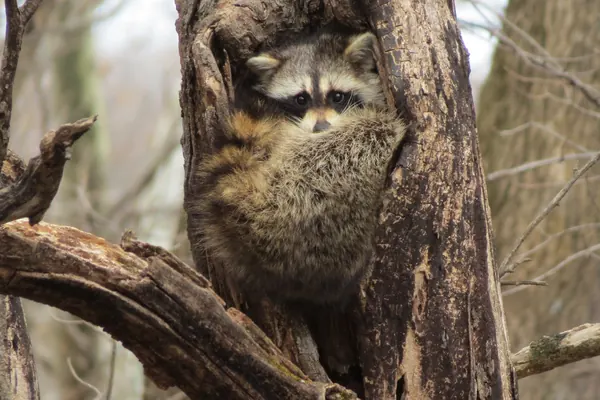
Raccoons
Raccoons denning above the ceiling or inside a chimney, and what to tell the operator on the call.
Raccoon removal →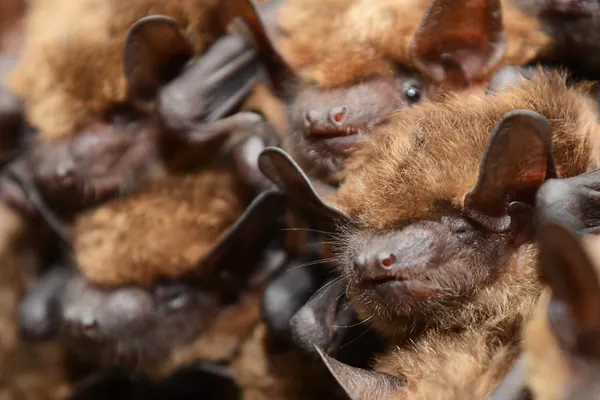
Bats
A colony in the attic or roofline, the pup season that decides the timing, and who does the work.
Bat removal →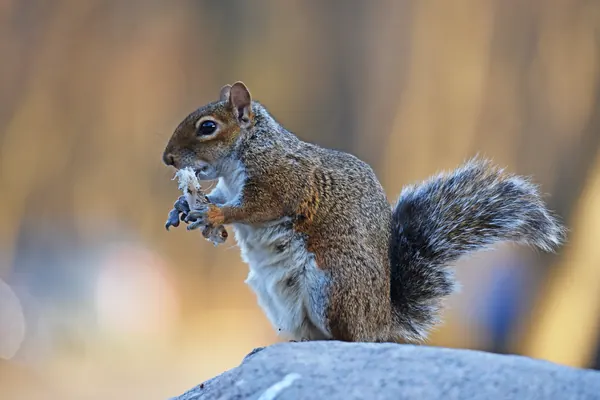
Squirrels
Gray, fox, red and southern flying squirrels, the openings they use, and what the job covers.
Squirrel removal →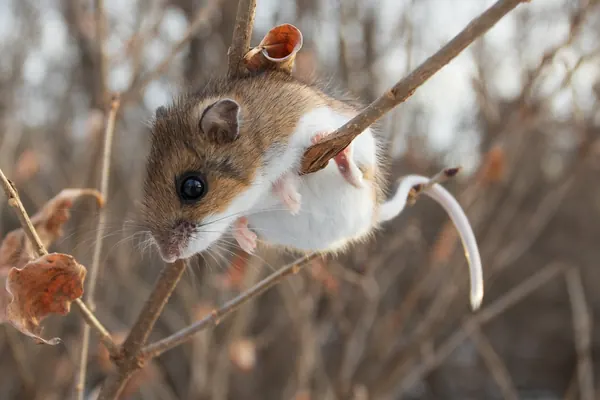
Mice & rats
House mice and Norway rats: the gap sizes they fit through and the sealing that keeps them out.
Mice and rats →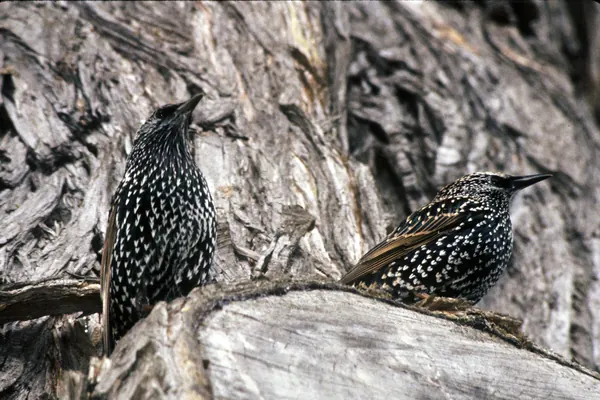
Birds
Starlings and sparrows in a vent, a woodpecker in the siding, and what federal law says about each.
Bird removal →Bat in the House
A bat loose in a room: the exposure check first, then which health department to call and who captures the bat.
Read this page →Animals in the Attic
Not sure what is up there. The season narrows the animal, with the Ohio source for each clue.
Read this page →Animals in the Chimney
Scratching or chirping in the flue. Raccoons with young, protected chimney swifts, and what waits until the birds have gone.
Read this page →Animal photos: U.S. Fish and Wildlife Service, public domain.
What the operator’s job usually has to settle
Getting the animal out
The operator who takes the job inspects the house and explains the plan on the call. One timing fact is on record: OSU Extension warns that shutting a bat colony out before the pups can fly leaves the pups inside. State wildlife rules apply to this work, and the operator answers for them.
Closing the way in
For rodents the CDC’s advice is short: seal holes and gaps in the home. For any other animal, the operator inspects the house and explains on the call what would be closed. Ask which parts of the job the price includes.
Attic cleanup is a separate job, with its own page on what the sources say about protecting yourself.
Six places to look from the ground
A minute outside helps the call. Walk around the house and look at the six spots in the drawing. Where a source names a spot as a way in, the note beside it says which source. Stay on the ground and say what you saw.
- Chimney. Two Ohio city pages, Brecksville’s and Hudson’s, say a chimney with no cap draws raccoons looking for a den. Chimney swifts nest in chimneys too, and federal law protects them.
- Roof and ridge vents. Brecksville’s animal control page lists vents among the ways squirrels get into a house.
- Gable vent. It leads straight to the attic, the kind of warm spot where the U.S. Fish and Wildlife Service says little brown bats commonly raise their young.
- Eaves and soffits. A gap here does not have to be big. A Summit County Public Health handout puts the opening a house mouse needs at about a quarter inch.
- Where a roof meets a wall. Look for a hole in the siding. Brecksville names those as another way squirrels come in.
- Overhanging limbs. Note any branch that reaches the roof and mention it on the call.
Look from the ground; stay off the roof. The operator who takes the job inspects the house and explains the plan on the call.
How a call is routed in Ohio
Call 614-767-5459 and give your ZIP code. This site names no city or county as covered: the request goes to an independent operator when one works at that address, and that is settled on the call. Where none does, the call comes to Local Core Group, which runs Ohio Attic Animal Removal and does no removal work itself. The about page says who runs it and how the pages are written.
State wildlife rules apply to this work, and the operator who takes the job answers for them. Federal law also protects native migratory birds, chimney swifts and woodpeckers among them. The U.S. Fish and Wildlife Service explains it on its Migratory Bird Treaty Act page.
City pages
Each city page says which health department a resident calls about a bat or a bite, and what the city or county does and does not do about an animal in a house.

Still not sure what it is
Call and describe the sound, the time of day and where it comes from. That is enough to start, and the operator who takes the request works out the rest with you.
Common questions
Who removes wild animals from a house in Ohio?
Independent wildlife operators do that work, and this site does not. Ohio Attic Animal Removal is a referral service: call the number on this page or send the form, and the request is passed to an operator when one works at your address. Whether one does is settled on the call. The operator who takes the job inspects the house and sets the price.
How do I get an animal out of my attic?
Start with what you know: the sound, the time of day and anything you have seen. The pages on bat jobs, raccoon jobs and squirrel jobs describe each one, and the animal in the attic page helps when you cannot tell which it is. Then call, give your ZIP code and say what you have noticed. The request goes to an independent operator when one works at your address.
How referrals work is covered on the questions page.
Call about the animal in your house
Say what you hear and give your ZIP code. The request goes to an independent operator when one works at that address; where none does, it comes to Local Core Group, which runs this site.